
The Allure of Risk and Reward
The excitement of gambling often stems from the inherent risk involved. Players are drawn to the potential for significant rewards, which can create an exhilarating rush. This thrill is deeply rooted in the brain’s reward system, releasing dopamine when individuals win or experience the anticipation of winning. Many people enjoy sections of an online casino, where the unpredictability of outcomes only adds to this allure, keeping players engaged in a cycle of hope and excitement.
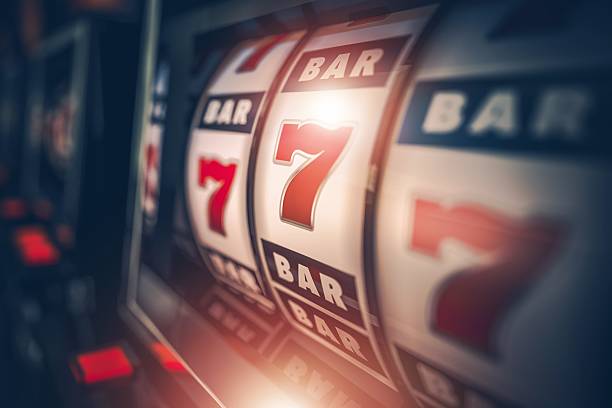
Furthermore, the psychological concept of intermittent reinforcement plays a crucial role here. Unlike consistent rewards, sporadic wins keep players guessing and hopeful, leading to prolonged gambling behavior. This unpredictability makes it challenging for individuals to walk away, as they believe a big win could be just around the corner.
The Role of Escapism in Gambling
For many, gambling serves as an escape from everyday stressors and mundane routines. The immersive environment of casinos, filled with vibrant lights and enticing sounds, allows individuals to temporarily forget their worries. This escape can be particularly appealing during challenging life phases, leading to increased gambling as a coping mechanism.
Additionally, individuals may find solace in the social aspects of gambling. Whether playing with friends or engaging with fellow gamblers, this social interaction can provide a sense of belonging and community, which further strengthens the psychological draw of gambling activities.
The Impact of Cognitive Biases
Cognitive biases significantly influence gambling behavior, often skewing a player’s perception of odds and probabilities. Many gamblers fall victim to the illusion of control, where they believe their decisions affect the outcome of games of chance. This misconception can lead to overconfidence and an increased likelihood of persistent gambling despite losses.
Moreover, confirmation bias can play a role in how players interpret their experiences. Gamblers often focus on their wins while disregarding their losses, reinforcing the belief that they are lucky or skilled. This selective memory can perpetuate gambling habits, creating a cycle that is hard to break.
The Influence of External Factors
External factors, such as marketing strategies and social environment, can also trigger gambling behavior. Casinos often employ sophisticated marketing techniques to attract players, utilizing rewards programs and promotional events to encourage participation. This creates an environment where gambling is normalized and viewed as a leisure activity.
Moreover, peer pressure can significantly impact an individual’s gambling habits. Friends or family who gamble may unknowingly influence others to participate, further enhancing the perception that gambling is an acceptable and enjoyable pastime. This social acceptance can lead to increased participation among individuals who might otherwise remain uninvolved.

Explore More on Our Website
If you’re interested in diving deeper into the intricacies of gambling behavior and its psychological aspects, our website offers a wealth of information. From articles discussing various gambling strategies to insights into the latest research on addiction and recovery, we aim to provide valuable resources for both casual gamblers and those seeking support.
Our platform is dedicated to raising awareness and understanding about gambling. By exploring the psychological triggers behind this behavior, we hope to equip individuals with the knowledge needed to make informed choices regarding their gambling activities.
