
Tracking your progress can be a powerful way to stay motivated. Whether it’s a smartwatch, app or notebook recording your daily physical activity builds a sense of accomplishment. If starting or staying consistent feels hard, remember that small steps matter. Try to make movement a normal part of your daily routine.
This guide covers how to build it, maintain it, and use recovery data to protect it. Additionally, tracking progress helps you identify what works and what doesn’t. If you notice that a particular workout isn’t delivering the results you want, you can adjust your routine accordingly.
Practical Benefits of App Tracking
Progress is framed as a long-term trend, not a fragile streak. Beginners open the app and see empty logs, complex metrics, and no guidance on what a good workout even looks like. The app records what happened, but does not help reduce uncertainty. New users cannot tell if they are progressing, training correctly, or wasting time. Try our workout quiz to find the right training style for your goals, or use the recovery calculator to see how recovery-based training works before committing to an app. When it comes to fitness, there’s no one-size-fits-all approach.
Exercise at the same time every day
- If you keep your workouts flexible, they often get pushed aside.
- This applies to subscriptions, class bookings, or premium features.
- Continental Hospitals is trusted for its patient-first approach and world-class facilities, ensuring you stay consistent not just with fitness but with overall health.
- The net result is more total training volume and better long-term progress.
- Recognizing that you are doing the best you can at that moment lays the groundwork for a healthier relationship with exercise, encouraging you to return to your routine after a setback.
- At Continental Hospitals, we believe fitness is not just about exercise but about complete wellness.
Habitify helps you track your habits with ease, but its real strength lies in its customizable features. You can tailor the app to suit your daily routines, whether you want to focus on fitness, productivity, or mindfulness. The app offers detailed insights into your progress, making it easy to adjust your habits to fit your goals. For those looking for more advanced features, HabitBull offers a robust set of tools.
Why Fitness Apps Make Consistency Harder (And What Actually Helps)
Before launch, the app needs to hold up in real-world conditions. Fitness apps are used across different devices, networks, and activity levels, often simultaneously. Technology choices rarely appear on marketing screens, but they affect almost everything behind the scenes. The tech stack directly influences performance, scalability, and the overall cost of application development.
Remember, consistency is more important than perfection. Overloading yourself with unrealistic expectations often leads to burnout. Consider your current fitness level and choose a routine that challenges you without overwhelming you.
Get INSTANT unique usernames with our FREE AI Insta Name Generator

Telling someone to “just be consistent” ignores the fact that consistency grows from systems that expect imperfection. A missed workout should be a small event, not an identity reset. Instead, users often find themselves stuck deleting exercises, navigating multiple screens, or abandoning logging altogether. When it comes to strength training, few topics create more confusion than rep ranges. The more we practice something, the more natural it becomes.
The Hidden Link: How Mental Health Affects Your Workout Performance
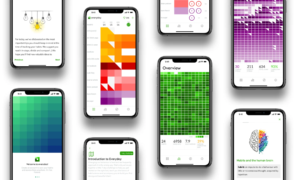
The visual feedback loop — seeing a growing streak — created a compounding psychological investment that made skipping a day feel like destruction top wellness and workout apps rather than rest. Another common issue is lack of behavioral reinforcement. Apps may track workouts, but they don’t support habit building. Without simple feedback loops like clear progress visibility or streak reinforcement users struggle to stay engaged long term.
Tracking Your Progress: The Key to Staying Motivated
Users don’t download fitness apps expecting to pay upfront. Successful fitness tracker app development depends on how smoothly data flows from devices into the app. Workout features give structure and direction, especially for users who don’t want to plan everything themselves. This is a core part of building a fitness app focused on daily engagement.
Endocrine Disruptors 101: What You Need to Know for a Healthier Life
A growing number of apps now take a broader view of fitness. These products combine physical activity with mental wellness or long-term health support. This model appeals to users who stay consistent when others are involved. When tracking feels effortless, users tend to stick around longer. Most people have already tried a few apps, deleted most of them, and stuck with whatever felt easiest to use.
Strategies for Maintaining Consistency in Fitness
One significant benefit of consistency is that it actually helps build habits. There are always ways to keep growing, changing, and improving. A study published in The Guardian highlights that individuals are more likely to achieve their goals when they share their progress with someone else. Use filled circles for full sessions, half circles for abbreviated sessions, R for recovery-only sessions, and leave cells blank for unplanned misses.
By cutting down friction, technology helps you focus on training itself, not paperwork. This is why digital tracking consistently outperforms pen-and-paper methods in adherence studies. With HyperResponder, your workout notes are automatically parsed into structured logs, calorie estimates, and AI feedback in real time. Aim for 80% as your minimum effective consistency threshold.
User Registration and Login
This mindset of persevering through the tough moments is what separates those who achieve long-term success from those who give up. At Fitness CF, we understand the importance of building lasting fitness habits that not only improve physical health but also promote mental well-being. Establishing a consistent routine can be challenging, especially in a world full of distractions and obstacles. But when you prioritize consistency, you set yourself up for long-term success. If you keep your workouts flexible, they often get pushed aside. Choose specific days and times for your workouts just like you would for meetings or classes.
Recent Comments