

The foreign exchange market, commonly known as Forex or FX, is the largest and most liquid financial market in the world. With trillions of dollars traded daily, the Forex market offers vast opportunities for traders to generate profits. However, navigating this market requires a solid understanding of its mechanisms, strategies, and risk management practices. This article aims to provide a comprehensive guide to forex market trading, including key concepts, trading strategies, and essential tools to enhance your trading experience. For traders seeking reliable platforms, consider checking out forex market trading MT4 Forex Brokers.
Understanding the Forex Market
The Forex market operates 24 hours a day, five days a week, allowing traders to buy and sell currencies from different countries. Currencies are traded in pairs, such as EUR/USD or USD/JPY, with the first currency in the pair referred to as the base currency and the second as the quote currency. The value of a currency pair indicates how much of the quote currency is needed to purchase one unit of the base currency.
Forex trading is decentralized, meaning it does not take place on a centralized exchange but rather through a network of banks, financial institutions, and individual traders across the globe. This decentralization contributes to the market’s high liquidity and enables traders to enter and exit positions with relative ease.
The Mechanics of Forex Trading
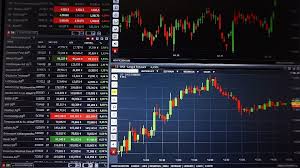
To begin trading in the Forex market, traders typically use a brokerage platform that provides access to market data and trading tools. Most brokers offer trading platforms like MetaTrader 4 (MT4) or MetaTrader 5 (MT5), which allow traders to analyze price patterns, manage trades, and utilize automated trading systems.
Before engaging in trading, it is crucial to understand several fundamental concepts:
- Leverage: Forex brokers often provide leverage, allowing traders to control larger positions with a smaller amount of capital. While leverage can amplify profits, it can also increase potential losses.
- Margin: The margin is the amount of money needed to open a leveraged position. Understanding margin requirements is vital to managing risk effectively.
- Bid and Ask Price: The bid price is the price at which a trader can sell a currency pair, while the ask price is the price at which they can buy. The difference between these prices is known as the spread.
Developing a Trading Strategy
A well-defined trading strategy is essential for success in the Forex market. Here are some popular approaches that traders often use:
1. Technical Analysis
Technical analysis involves analyzing historical price data and chart patterns to predict future price movements. Traders use various tools and indicators, such as moving averages, Fibonacci retracement levels, and oscillators, to identify potential entry and exit points. Learning to read charts and understand market trends is critical for technical traders.
2. Fundamental Analysis
Fundamental analysis focuses on economic indicators, interest rates, and geopolitical events that can influence currency values. Traders who utilize this approach often analyze reports such as GDP growth, employment data, and central bank decisions to assess the health of an economy and its currency.
3. Sentiment Analysis
Sentiment analysis gauges the overall mood of market participants and how it can affect price movements. This approach often involves analyzing trader positions and sentiment indicators, such as the Commitment of Traders report, to understand whether the market is bullish or bearish.
Risk Management Techniques
Effective risk management is a crucial aspect of trading that can determine long-term success. Here are some common risk management strategies:
- Set Stop-Loss and Take-Profit Orders: A stop-loss order limits potential losses by automatically closing a position when a specified price level is reached. Conversely, a take-profit order locks in profits when a target price is achieved.
- Position Sizing: Determining how much capital to allocate to each trade based on your total equity and risk tolerance is essential for long-term sustainability. Many traders risk only a small percentage of their trading capital on any single trade.
- Diversification: Spreading investments across different currency pairs or asset classes can help mitigate risk. Diversifying your trades reduces the impact of a poor-performing asset on your overall portfolio.
Choosing the Right Broker
Finding a reliable broker is critical for success in Forex trading. Here are some factors to consider when choosing a broker:
- Regulation: Ensure that the broker is regulated by a reputable financial authority, as this offers a level of security and protection for traders.
- Trading Platform: Evaluate the trading platform’s features, ease of use, and availability of tools for analysis and execution.
- Spreads and Commissions: Compare the costs associated with trading, including spreads and commissions, as these can affect profitability.
Emotional Control in Trading
Trading can evoke strong emotions, such as fear and greed, which can cloud judgment and lead to poor decision-making. Developing emotional discipline is crucial for maintaining a clear mind while trading. Here are some tips:
- Stick to Your Plan: Adhere to your trading strategy and avoid making impulsive decisions based on emotions.
- Take Breaks: Step away from the charts after a losing streak to regain perspective and prevent emotional trading.
- Keep a Trading Journal: Documenting trades, thoughts, and emotions can help identify patterns in behavior and improve future decision-making.
Conclusion
The Forex market presents exciting opportunities for traders willing to invest time in learning its intricacies. With the right knowledge, strategies, and risk management techniques, traders can navigate this dynamic market and pursue their trading goals. Always remember that trading involves risks, and it’s essential to trade responsibly. As you continue your trading journey, stay informed about market developments and remain adaptable to changing conditions.
Recent Comments